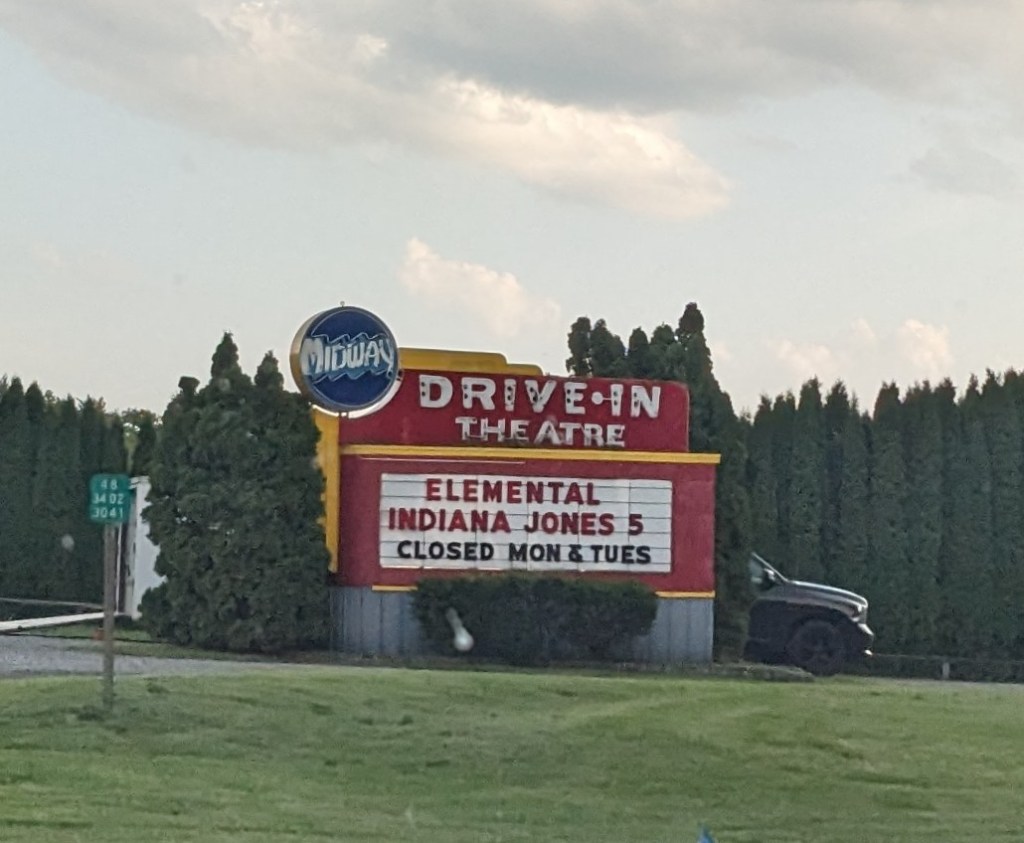
I almost never go to the movies anymore. A lot of what Hollywood has to offer these days doesn’t appeal to me. Despite that, I am still fascinated by the business aspects of the film industry and regularly follow the box-office figures for all those movies I don’t attend. Maybe I’ve been in the world of business journalism so long that I’m drawn more to the finances, distribution, and marketing behind a product than to the product itself. Or maybe it’s the schadenfreude associated with witnessing the train-wreck aspect of major box-office flops.
To the extent that my interest lies in the latter, the summer of 2023 has been especially flop-heavy. There was The Flash, which cratered the second it hit movie screens. Elemental has done so poorly that some believe it will be the undoing of the once-infallible Pixar. And at this writing, Indiana Jones and the Dial of Destiny has landed with a dull thud. Beyond those properties, other “tentpole” entertainment franchises like Star Wars, Star Trek, Marvel, Transformers, James Bond, Lord of the Rings, and Fast and the Furious all appear to be in decline in terms of both financial success and cultural relevance.

There is no shortage of articles and YouTube channels offering reasons for that decline. Commonly cited culprits are oversaturation, superhero fatigue, culture-war political agendas, bad CGI, shrinking global box-office opportunities in China and Russia, poor studio decision-making, marketing missteps, toxic fandoms, toxic celebrities, streaming services, out-of-control budgets, shifting audience demographics, and high ticket prices, among others.
All of those factors no doubt play a role, but an aspect that I don’t think gets discussed enough is this: The Hollywood studios seem to be operating under the assumption that brand equity is a substitute for storytelling; and it simply isn’t.
Media conglomerates acquire and cultivate franchise properties because they reduce risk. The belief is that it makes more sense to spend hundreds of millions of dollars to make and market a film based on a known quantity than based on something new and unfamiliar to audiences. Disney’s entire business model in the past decade has rested on that concept. The studios would never admit this, but I suspect they feel that those established brand names give them more leeway in terms of quality. If given truth serum, I think Hollywood executives would admit to feeling like they can slap a Star Wars or Marvel logo on any subpar movie or streaming series and the nerds will gobble it up anyway.
That cynical attitude probably contains a kernel of truth, but only in the short term. The brand equity that some of these franchises have built over decades will certainly get audiences in the door to start with. But if people come away feeling burned time and again by bad storytelling and puzzling creative decisions, the meaning of the brand in the mind of the consumer starts to change from “that thing that I love” to “that thing that disappointed me,” or ultimately “that thing that I used to love before it was ruined.”
I think that’s the crossroads a lot of these franchise properties find themselves at now. The corporations that own them forgot what made them beloved in the first place and overestimated how long fanbases would support mediocre to bad efforts. Some of them probably thought they were too big to fail. Insiders seem to be blindsided that people aren’t beating down the doors to see a Flash movie where the main selling point was a brief cameo by Michael Keaton’s incarnation of Batman or a fifth Indiana Jones movie that comes after a beloved third movie that everyone wanted to be the end of the series, and a fourth movie that pretty much everyone despised…and wanted to be the end of the series.
The good news is that the problem could probably be resolved with a renewed focus on tighter storytelling. The bad news is that all the writers are on strike at the moment, so storytelling, tight or otherwise, will have to wait. The worse news is that there are probably a lot of people in Hollywood who think AI-generated movies are somehow the ultimate solution. (To that, I will simply invoke the title of a film from 2022: Nope.)
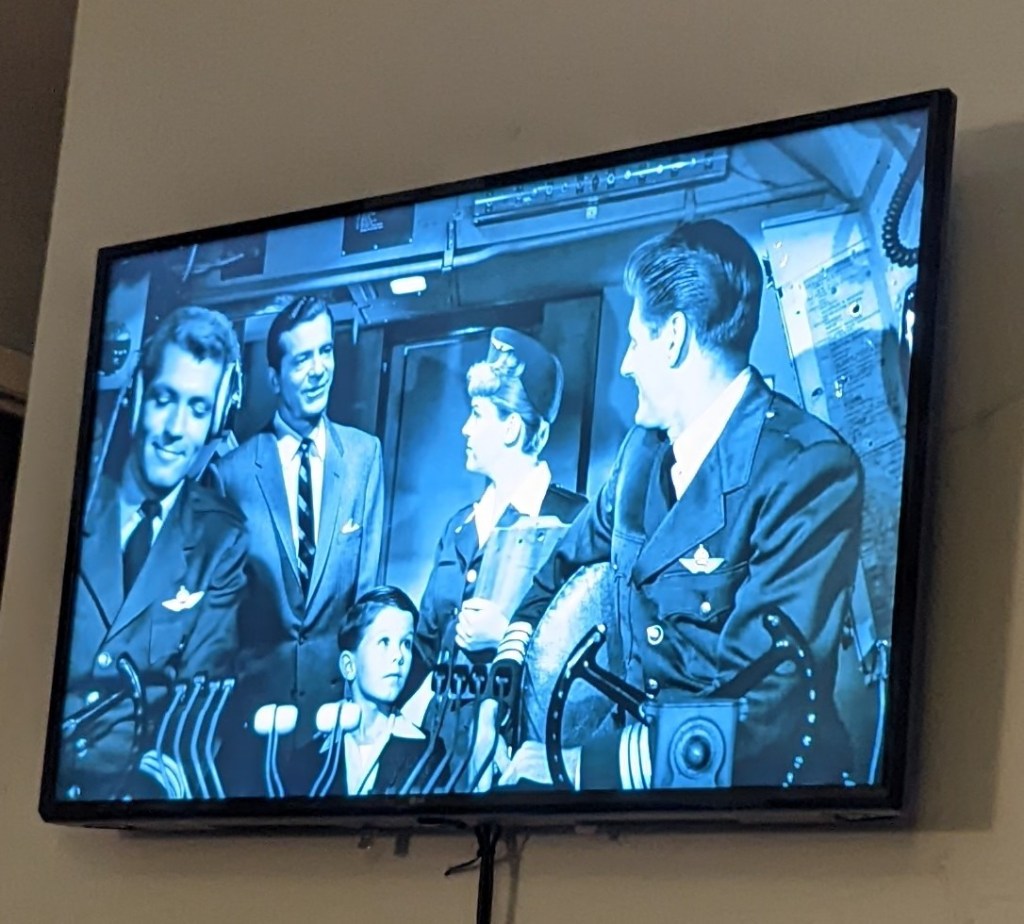
I hope Hollywood gets it all sorted out, but they may have to tear the industry down to the studs and start fresh with a new model to do so. In the meantime, I will continue to monitor the box-office carnage, avoid the multiplexes, and limit my film viewing to oldies DVRed off Turner Classic Movies.



 a.k.a. V.J.
Leave a reply to Oppenheimer – a.k.a. V.J. Cancel reply